Six Days in the Netherlands: From Zeeland's Quiet Streets to Amsterdam's Vibrant City Life
From the quiet neighbourhoods of Zeeland to the lively streets of Amsterdam, a six-day visit to the Netherlands offered a firsthand look at Dutch culture, public transportation, cycling and urban planning. Beyond the tourist attractions, the experience revealed how thoughtful infrastructure can make everyday life more convenient.
By Abubacarr Saho
Coming from The Gambia, where warm weather is part of everyday life, stepping into the cold Dutch air was quite a contrast. Back home, we are accustomed to sunshine, warm evenings and temperatures that make even a short walk under the afternoon sun feel like an exercise. In the Netherlands, I found myself experiencing almost the opposite.
Although this wasn’t my first visit to the country, this particular trip gave me an opportunity to explore a different side of Dutch life.
I spent six days in total, beginning with three days in Zeeland before heading to Amsterdam for another three.
Zeeland: Cold Weather and Quiet Streets
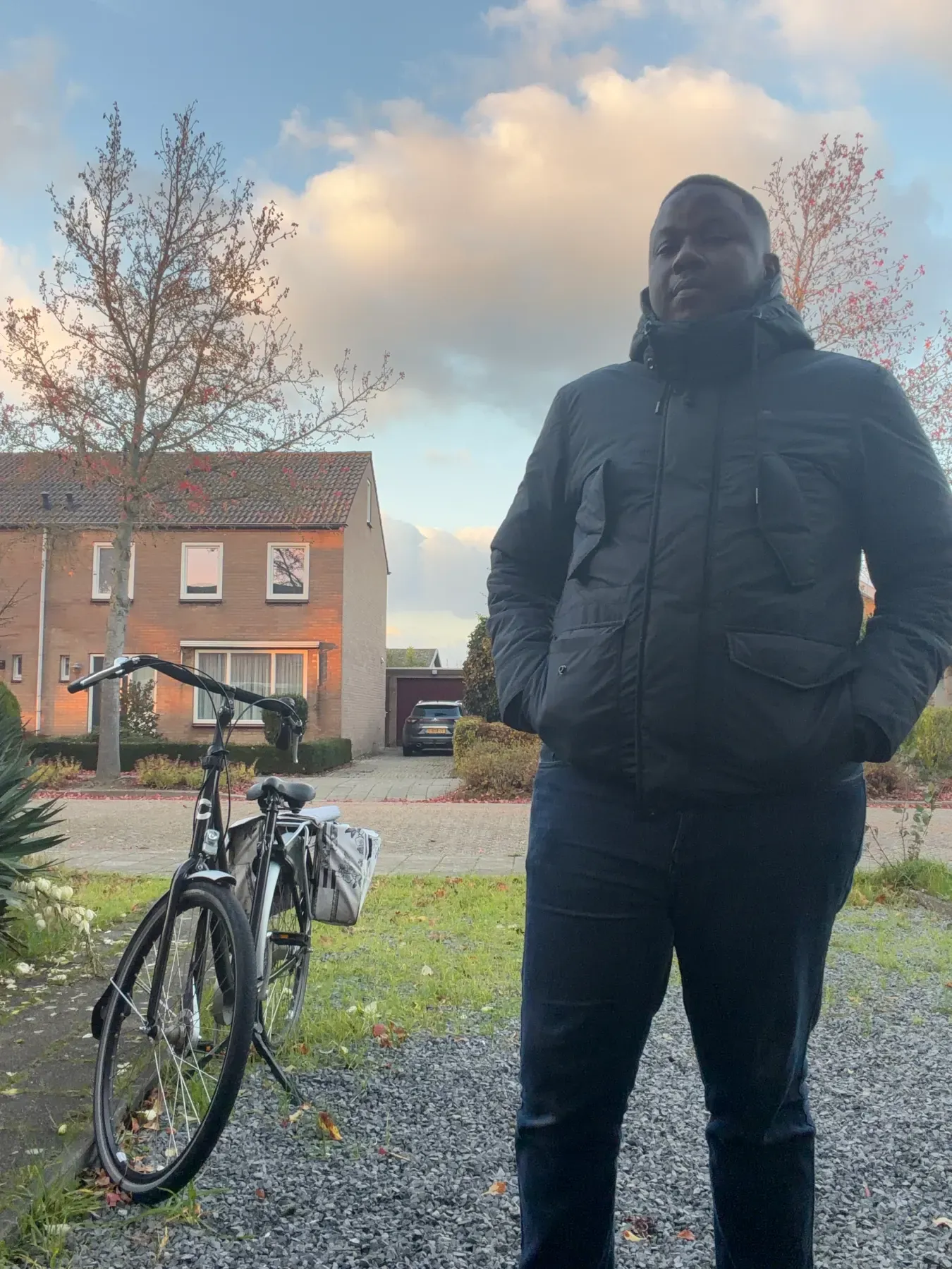
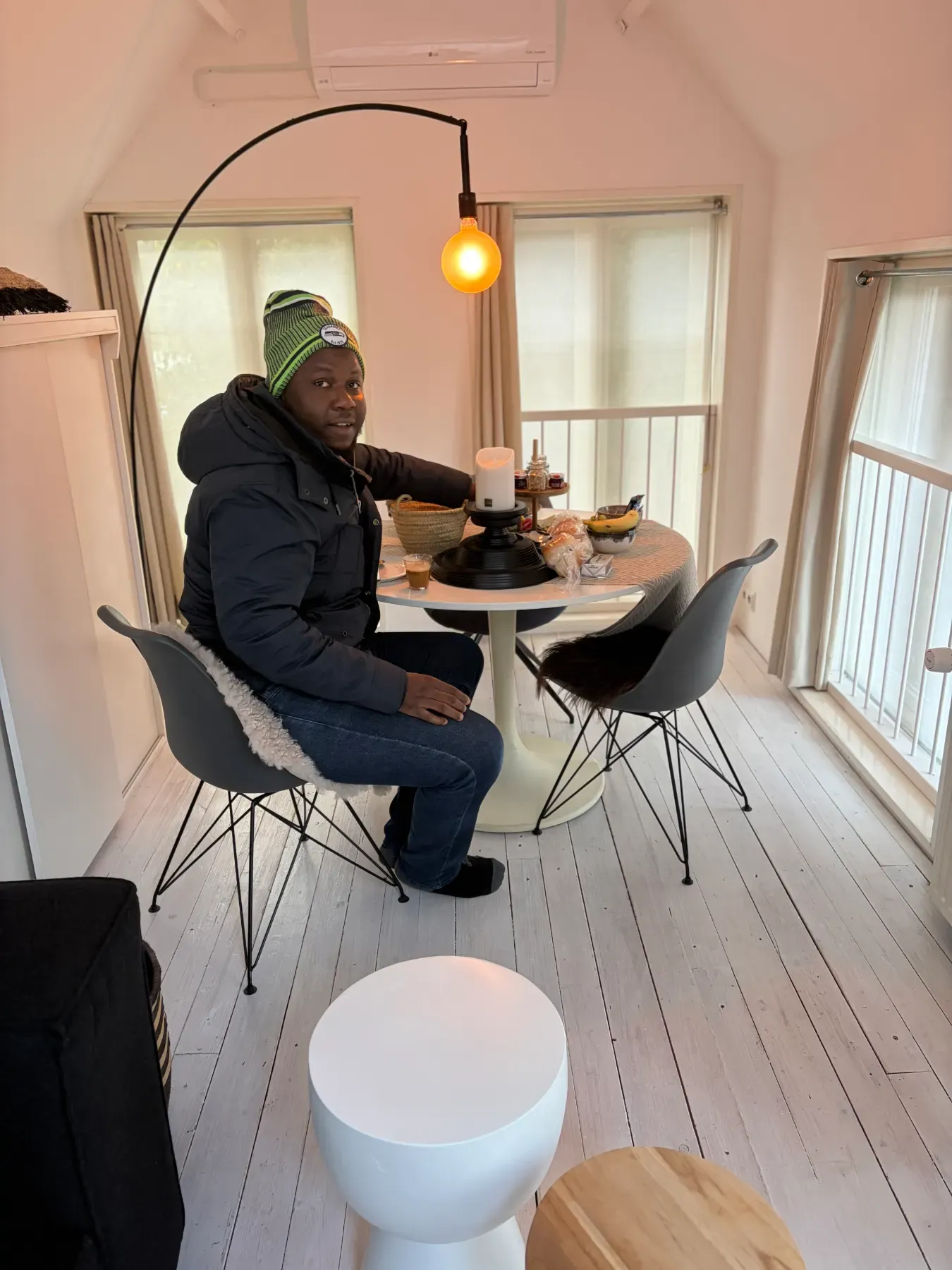
My first stop was Zeeland, where I had booked an Airbnb in a quiet residential neighbourhood.
The atmosphere was peaceful, and the cold weather made the experience even more interesting. Coming from The Gambia’s tropical climate, where the heat often determines how long you want to remain outdoors, I found myself doing quite the opposite in Zeeland.
I walked everywhere.
On some days, I covered close to 20,000 steps, exploring neighbourhoods, observing the houses and simply enjoying the surroundings.
There was something refreshing about walking through quiet streets in the cold, taking in the architecture and the way the neighbourhoods were organised.
The contrast with home was difficult to ignore. In The Gambia, particularly during the hotter months, walking long distances in the afternoon can be uncomfortable. In Zeeland, the cold presented its own challenges, but once properly dressed, I found walking to be one of the most enjoyable parts of the experience.
It was a slower, quieter introduction to the trip, and one I appreciated.
Amsterdam: A City That Never Seems to Slow Down
After three days in Zeeland, I travelled to Amsterdam.
The difference was immediately noticeable.
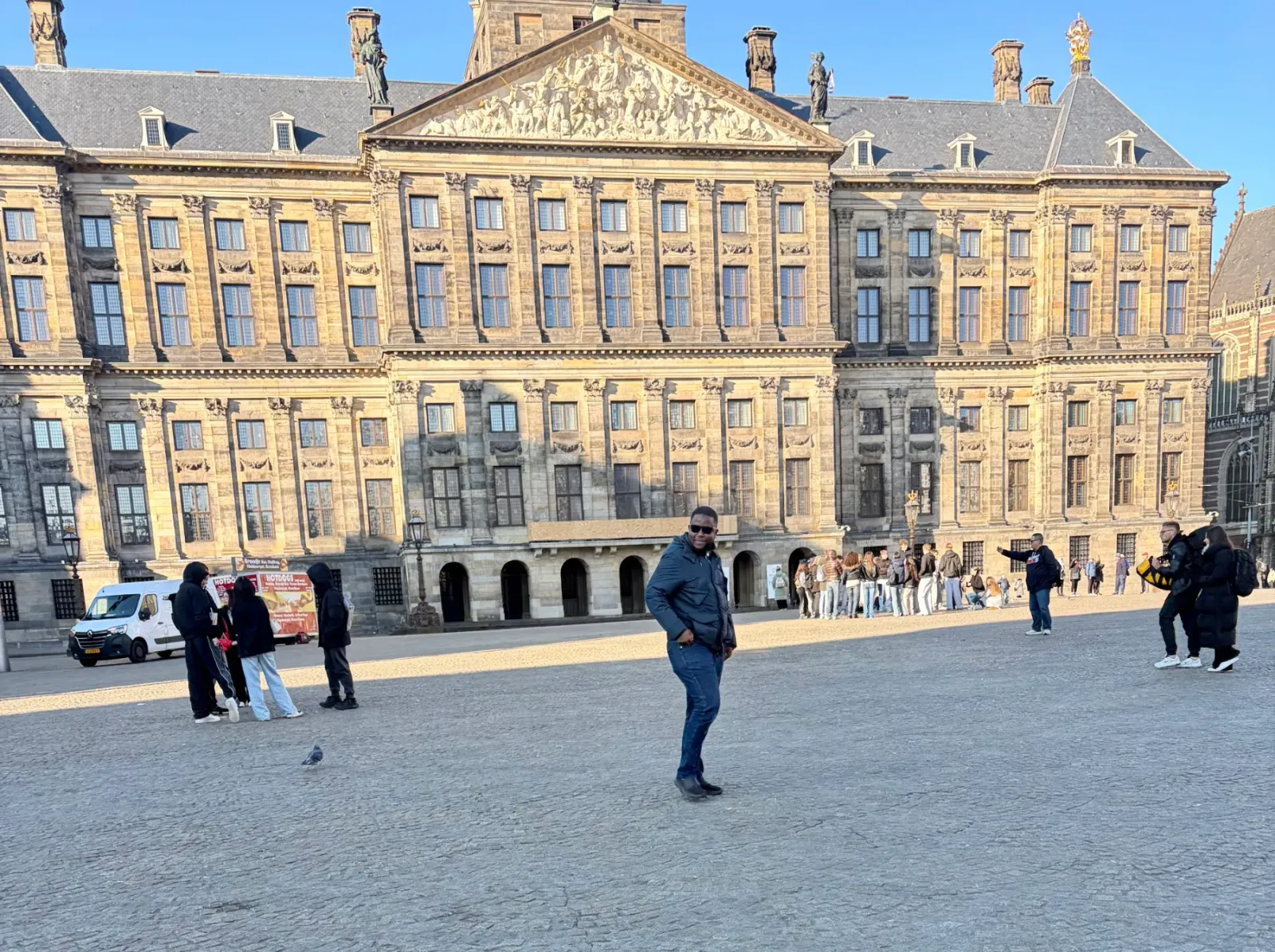
Where Zeeland had offered quiet residential streets, Amsterdam was full of activity. People moved through the city on bicycles, trams, buses and on foot. Tourists explored the canals, restaurants were busy, and there was always something happening.
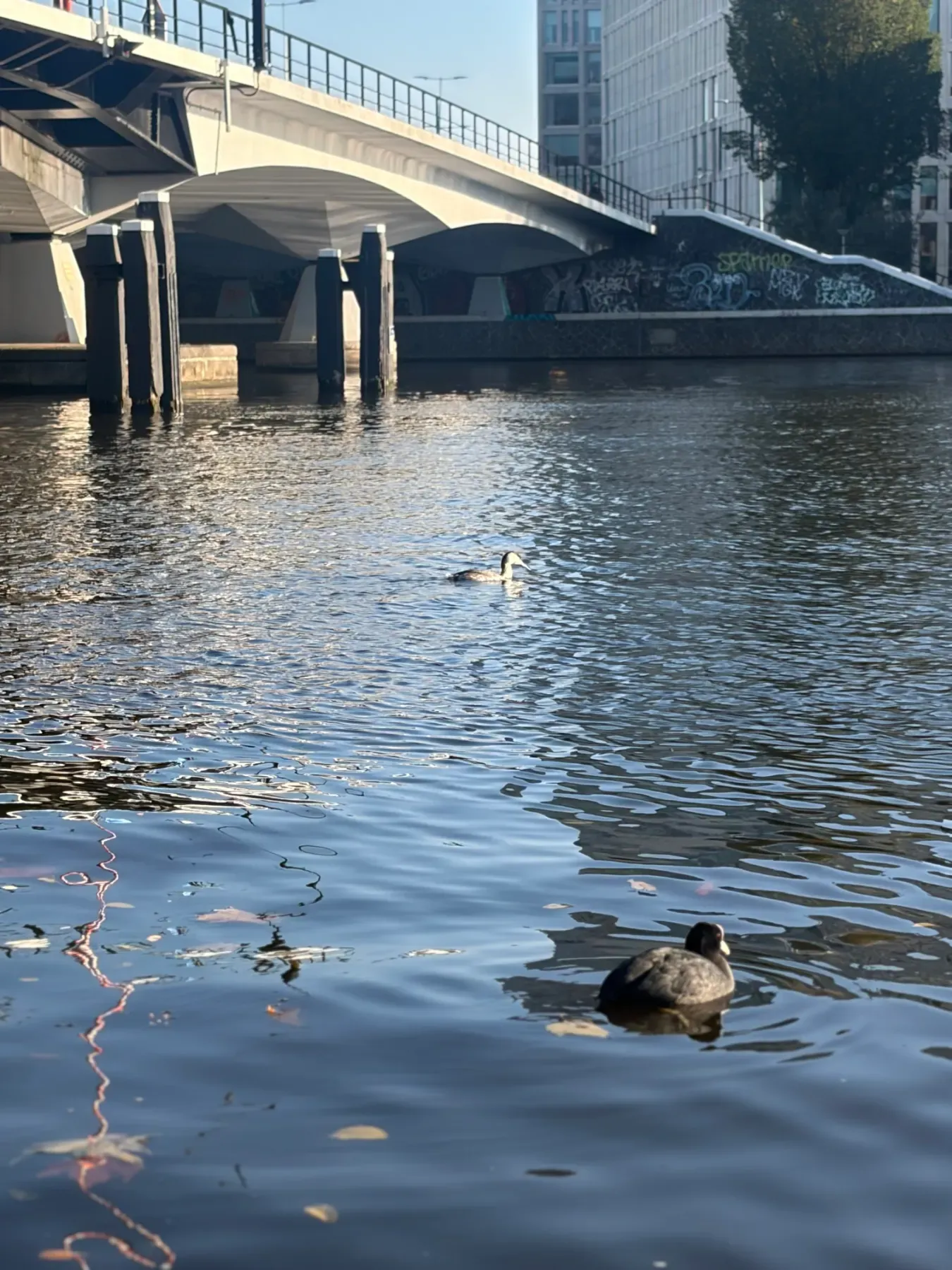
My Airbnb was situated beside a lake, offering a peaceful place to return to after spending much of the day exploring.
And just as I had done in Zeeland, I walked almost everywhere.
One of the things I enjoyed was trying the local food. I had kapsalon, a popular Dutch fast-food dish made with fries, meat, melted cheese, salad and sauces. I also enjoyed the kebabs, which were easy to find around the city.
Amsterdam’s multicultural character was evident in its food, people and neighbourhoods.
The city itself was beautiful, particularly its canals, historic buildings and streets. But beyond the attractions, I was increasingly interested in something else: how easily people seemed able to move around.
Utrecht Centraal: Everyone Is Going Somewhere
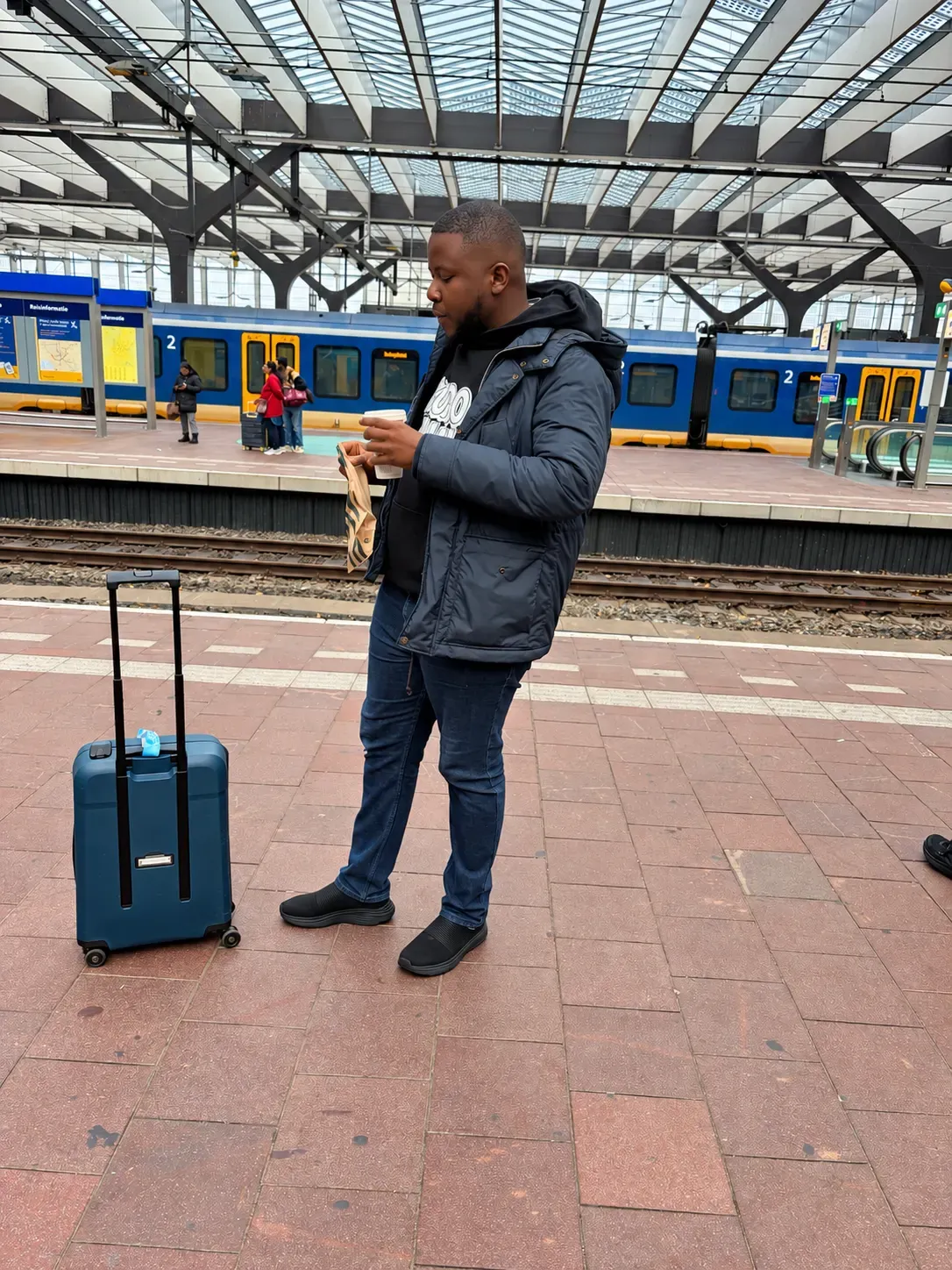
One memorable experience was passing through Utrecht Centraal, one of the country’s busiest railway stations.
People were moving quickly in every direction. Some were rushing to catch their trains, others were arriving, and many were simply passing through on their way to another destination.
Everyone seemed to have somewhere important to be.
Yet despite the movement, the station appeared organised.
It was an interesting contrast: thousands of people going about their daily routines, supported by a transportation system designed to connect cities and communities.
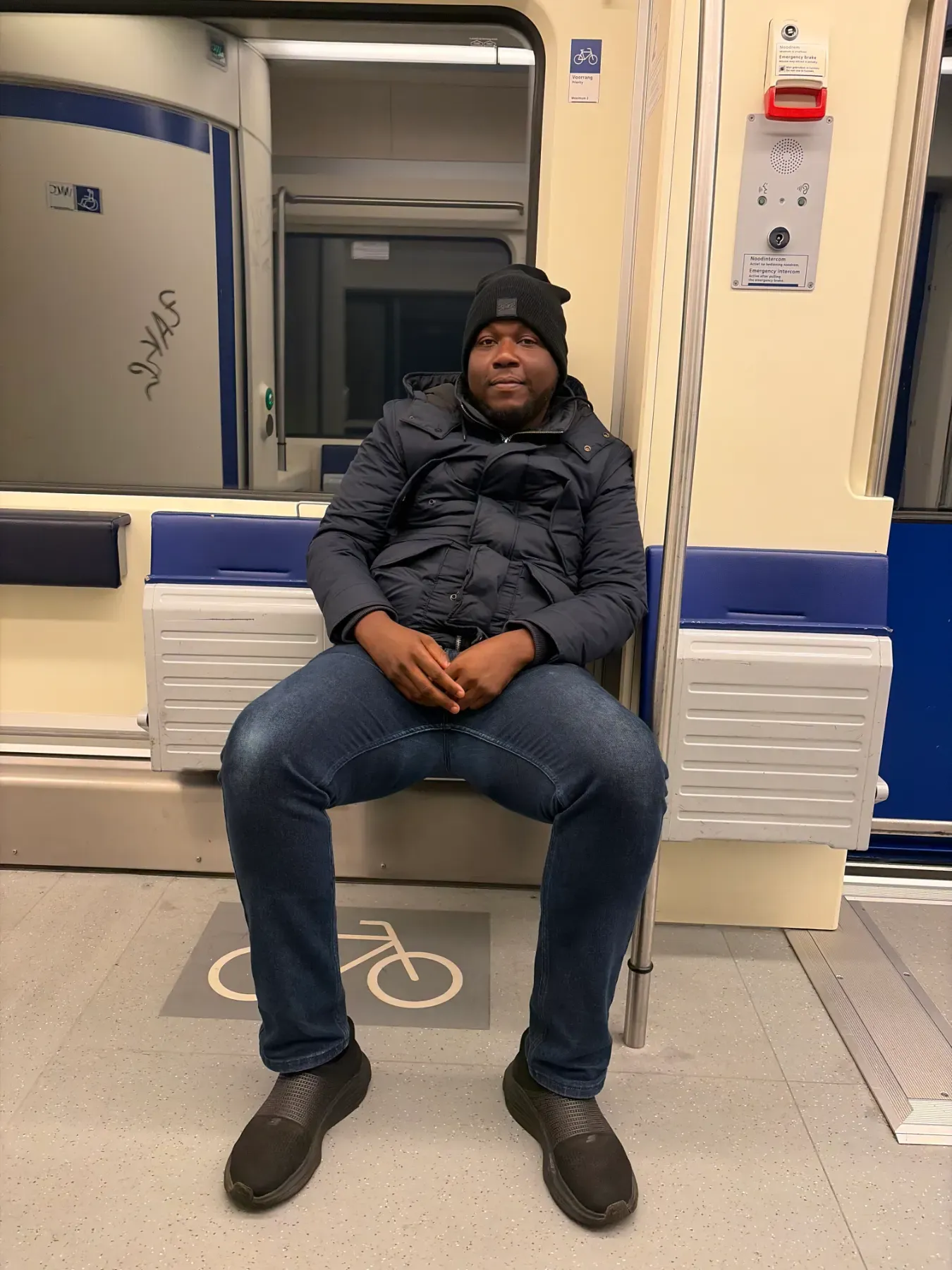
I was particularly impressed by how convenient public transportation was.
You could travel between cities without needing a car, and once you arrived, walking, cycling or using another form of public transport was often straightforward.
Then there were the bicycles.
They were everywhere.
At railway stations, I saw what appeared to be hundreds, if not thousands, of bicycles parked in designated areas.
It was almost amusing to imagine how everyone managed to remember exactly where they had parked.
But beyond the sight itself, it demonstrated something important. Cycling wasn’t simply a recreational activity. It was an ordinary part of daily life.
Infrastructure Is Not Always About Skyscrapers
Perhaps the most important observation I made during the trip was about infrastructure.
When we talk about development, particularly in developing countries, we often imagine skyscrapers, enormous buildings and expensive construction projects.
But spending time in the Netherlands reminded me that development is not always about building bigger or higher.
Sometimes, it is simply about planning better.
It is about having roads that accommodate pedestrians, cyclists and vehicles. It is about connecting neighbourhoods through reliable public transportation. It is about ensuring people can move from one place to another without unnecessary difficulty.
These are things that may appear ordinary, but they have a significant impact on everyday life.
Walking through Dutch neighbourhoods, I found myself appreciating the pavements, pedestrian crossings, cycling lanes and the general organisation of public spaces.
Of course, the Netherlands has its own challenges, and a short visit cannot provide a complete picture of life in the country.
Nevertheless, the convenience of many everyday activities was difficult to overlook.
Reflections on The Gambia
Naturally, some of these observations made me think about home.
The Gambia and the Netherlands are very different countries, with different climates, economic circumstances and development challenges.
But there are lessons worth considering.
Imagine neighbourhoods in The Gambia with continuous pavements, safer pedestrian crossings, organised public transportation and better-planned public spaces.
Our warm climate presents its own considerations. Walkability in The Gambia would require more than pavements. Trees, shaded walkways, drainage and pedestrian safety would all need to be part of the planning process.
We do not necessarily need to replicate European cities. Instead, we can learn from the principles behind their development and adapt them to our own environment.
After all, infrastructure should make everyday life easier for the people who depend on it.
More Than Just a Holiday
Looking back, I enjoyed the different experiences each location offered.
Zeeland gave me quiet streets, cold weather and long walks through residential neighbourhoods.
Amsterdam offered energy, diversity, good food and plenty of places to explore.
Utrecht provided a fascinating glimpse into the organisation and movement of a busy transportation network.
And throughout the journey, I found myself comparing the cold Dutch weather with the familiar warmth of The Gambia.
There were moments when I appreciated the refreshing cold, and others when I could understand why people look forward to warmer weather.
Travelling allows us to experience these differences firsthand, appreciate other cultures and reflect on our own surroundings.
For me, this trip was not simply about visiting another European country. It was about enjoying the experience while observing some of the everyday details that make a place function.
Sometimes, development isn’t about building higher. It’s about planning better.