Ez az oldal még nem készült el magyarul. Az alábbi tartalom angol nyelvű — böngészője le tudja fordítani.
Practical information for travellers
Practical information for Hungarian nationals travelling to The Gambia.
Entry and health
Before you book, read the Hungarian Consular Service's travel advice for The Gambia (in Hungarian). It sets the current security category and lists the entry and vaccination requirements. These change, and the official advice is always more current than any other page.
Money and getting around
The currency is the Gambian dalasi (GMD). Cash is still widely used outside the main hotels. Banjul International Airport serves the Greater Banjul Area, and most visitors stay along the coastal strip.
Consular assistance
Hungarian nationals in difficulty can contact this office directly. For anything requiring formal consular action, we will liaise with the Embassy in Accra on your behalf.
The Gambia at a glance
The Gambia is a small West African country centred around the River Gambia and surrounded by Senegal, with a coastline on the Atlantic Ocean. Banjul is the capital, English is the official language and the Gambian dalasi (GMD) is the national currency. Mandinka, Wolof, Fula, Jola and other local languages are widely spoken.
From the airport to your destination
Banjul International Airport is the country's main international gateway. Popular visitor areas including Kololi, Kotu, Bijilo, Fajara and Bakau are located within the Greater Banjul Area and coastal region. Taxis and private transfers are commonly used by visitors, while local transport provides additional options for exploring The Gambia.
More than a beach destination
The Gambia offers much more than its Atlantic coastline. Explore the River Gambia, colourful markets, fishing communities, historic sites, mangroves and nature reserves. Travel beyond the main tourism areas also provides an opportunity to experience different communities, landscapes and traditions across the country.
People, customs and everyday life
The Gambia is known for its hospitality and strong sense of community. Greetings are an important part of everyday interaction, and visitors will often find people willing to stop and talk. Respect for local customs, religious practices and communities will help make your visit more rewarding.
Taste The Gambia
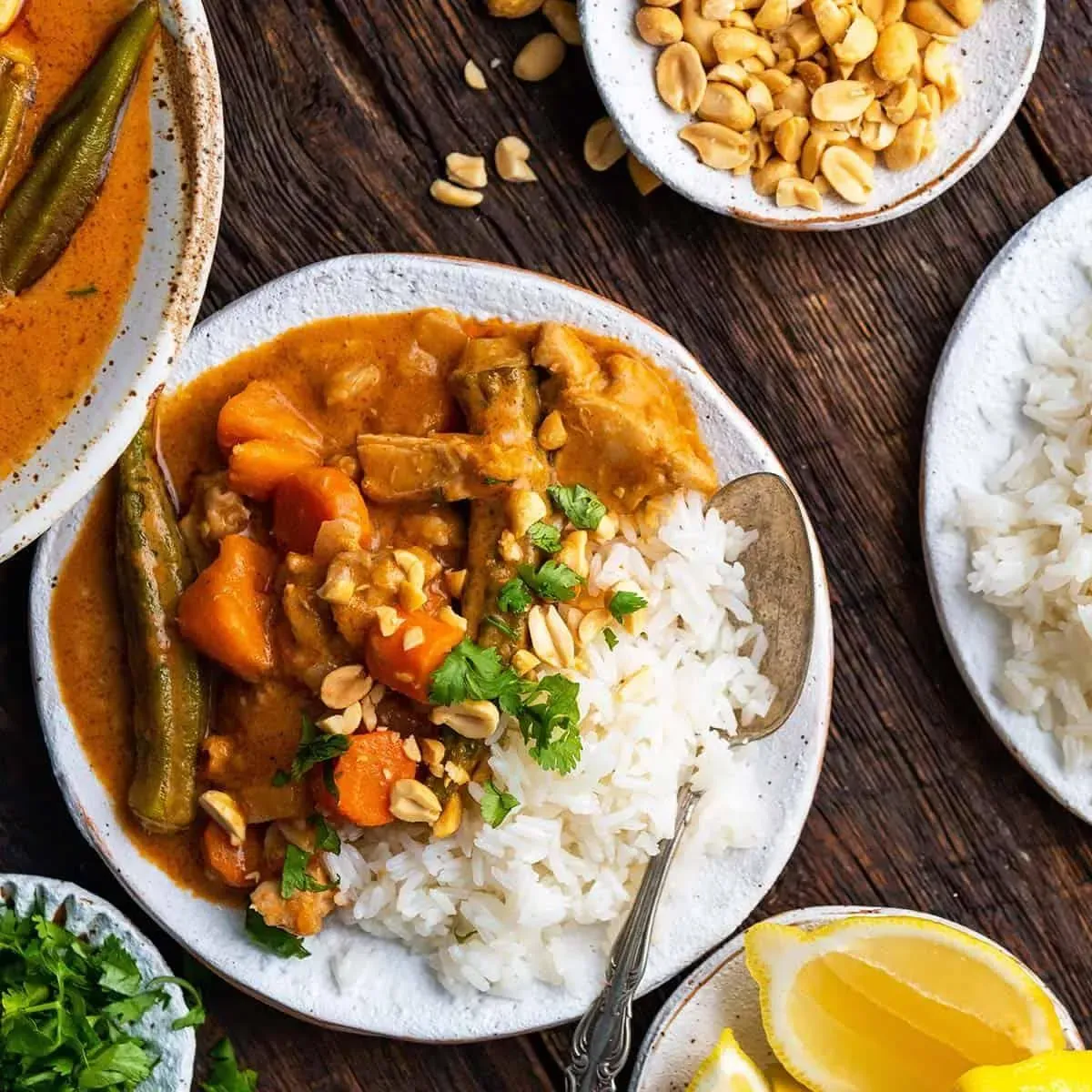
Food is an excellent introduction to Gambian culture. Look out for dishes such as benachin, domoda, yassa and afra, alongside fresh fish and seafood from coastal communities. Local drinks made from hibiscus and baobab are also widely enjoyed.
Discover the River Gambia
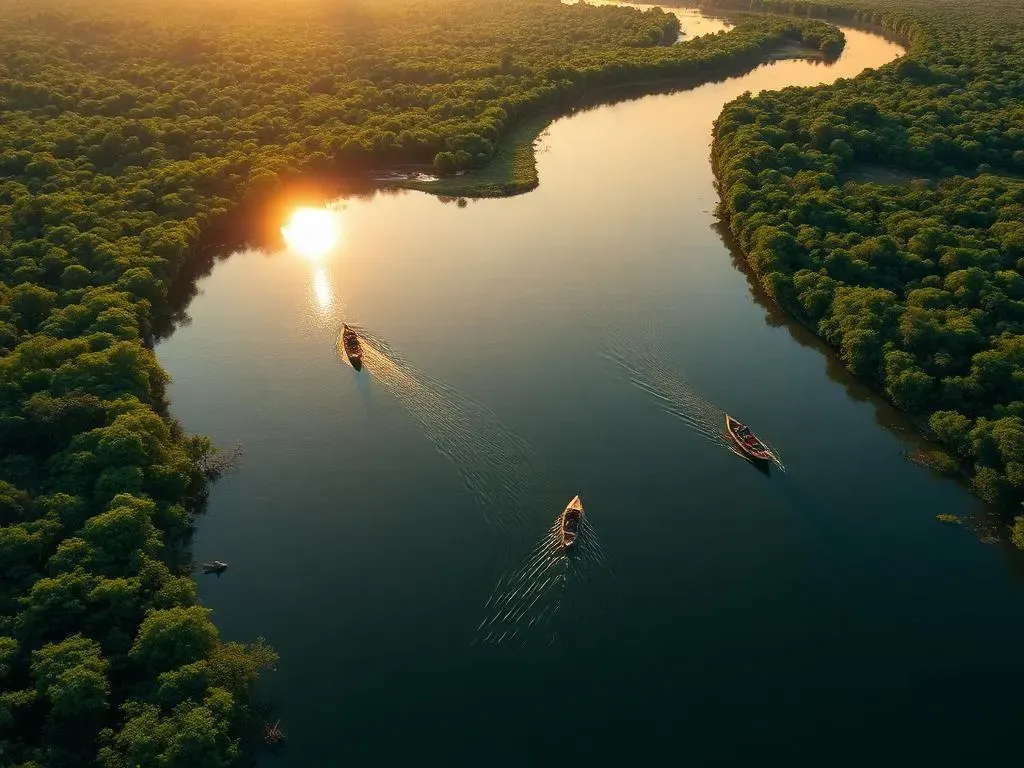
The River Gambia runs through the heart of the country and has shaped its communities, history and landscapes for generations. River journeys offer a different view of The Gambia, passing mangroves, fishing villages, wetlands and wildlife while revealing the quieter rhythms of life beyond the coast.
Beaches, fishing and sunsets
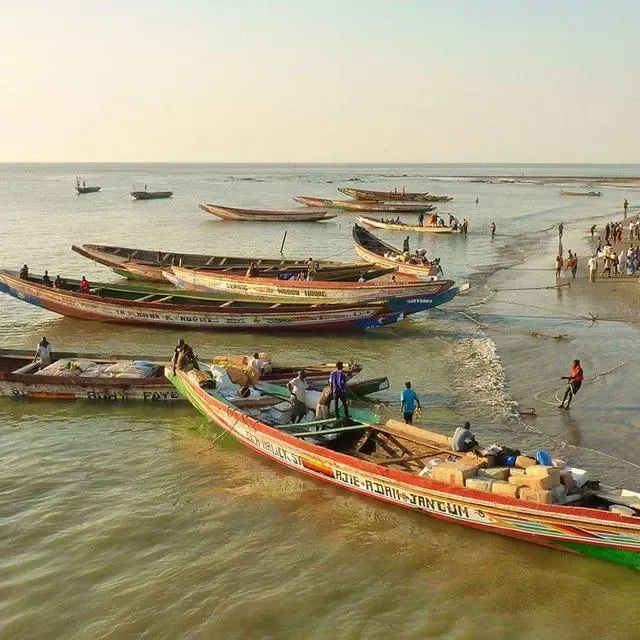
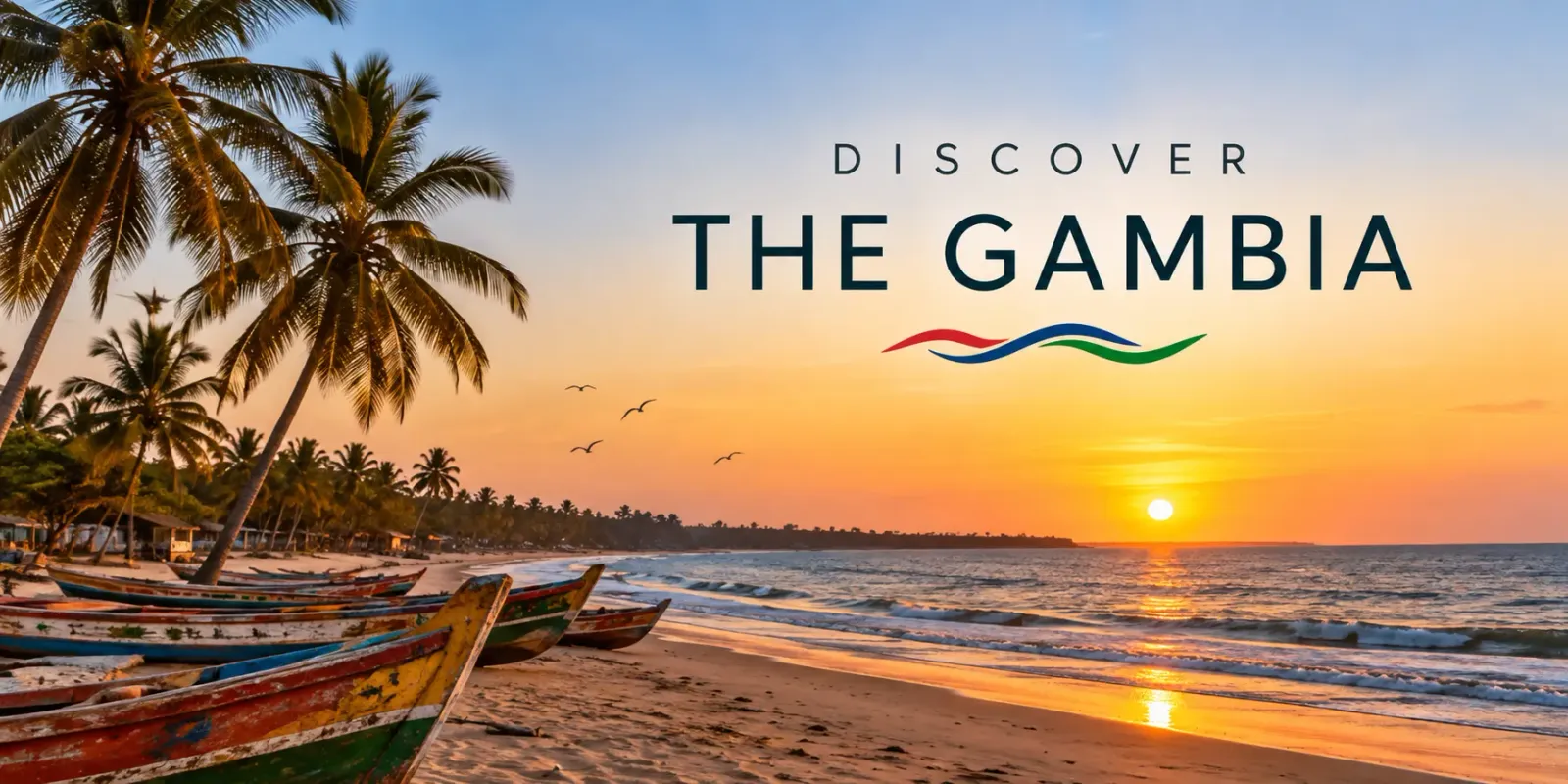
The Gambia's Atlantic coastline combines sandy beaches with lively fishing communities and relaxed coastal life. Visitors can enjoy the beaches around the tourism areas or experience the colourful arrival of fishing boats as local crews return to shore with the day's catch.
Markets full of colour and character
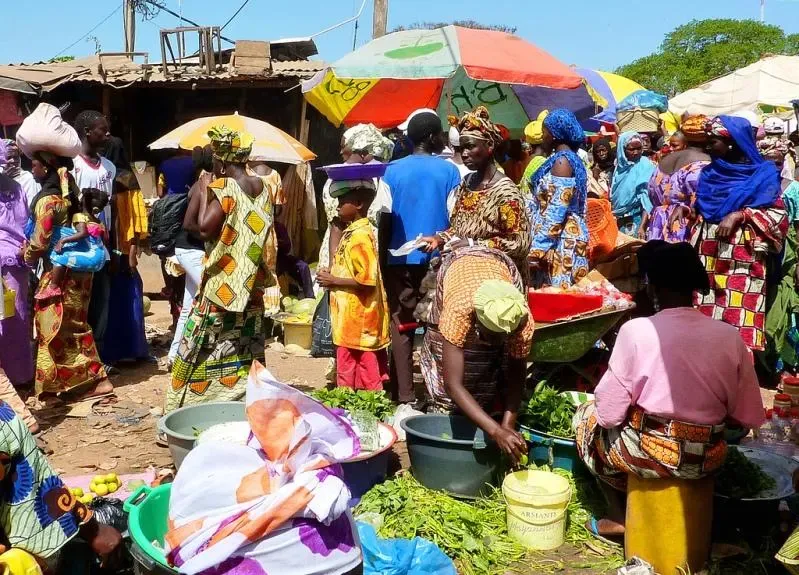
A visit to a Gambian market is an experience of its own. Fresh produce, fabrics, spices, household goods, crafts and street food fill busy market streets with colour and activity. Markets also provide visitors with a glimpse into the everyday commercial and social life of Gambian communities.
A destination for birdlife and wildlife
The Gambia's river, wetlands, mangroves, forests and coastline support a remarkable variety of birdlife and other wildlife. Nature reserves and community forests offer opportunities for birdwatching, walking and discovering the country's natural environment beyond its beaches and towns.